
Why PSU Employees Sometimes Feel Emotionally Distant at Home
Why PSU Employees Sometimes Feel Emotionally Distant at Home
Mar 12, 2026
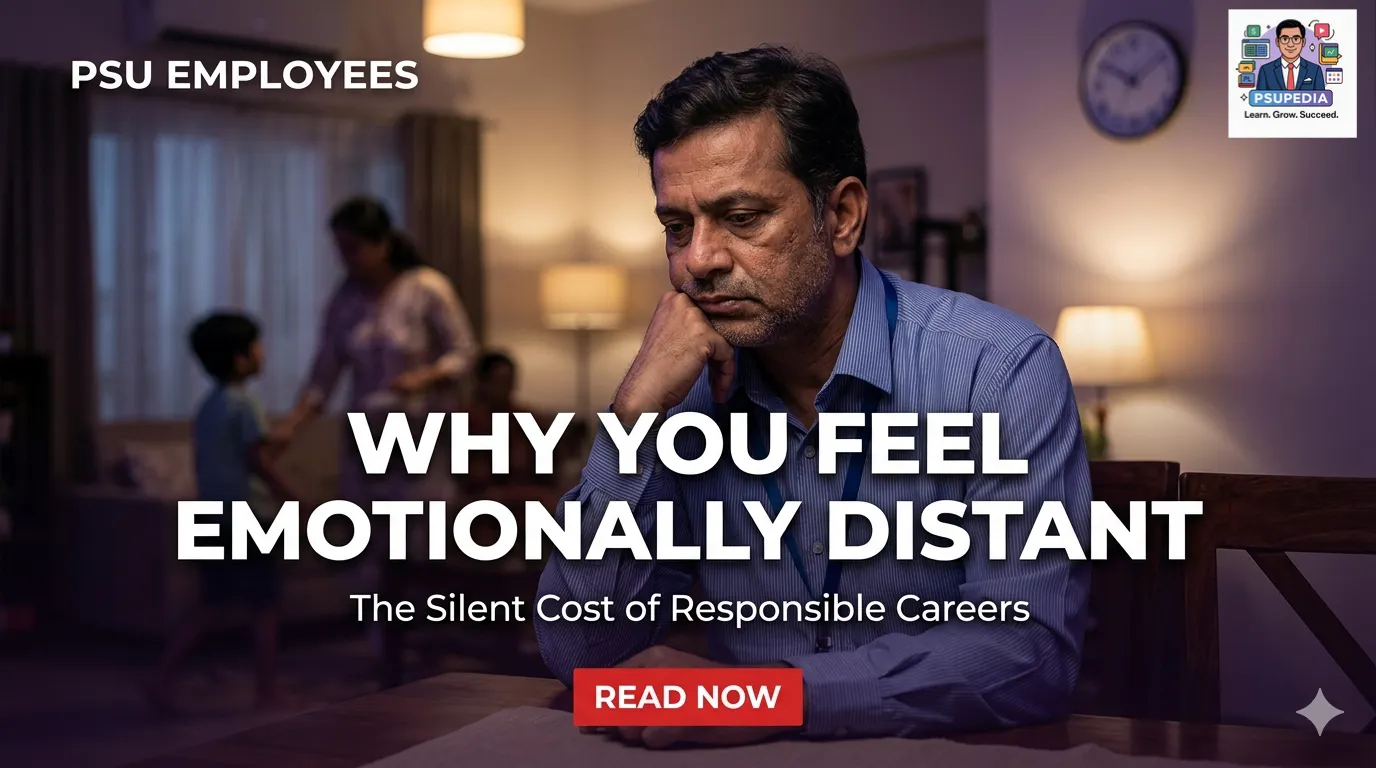
For many people in India, PSU jobs represent stability.
A fixed salary.
A structured career path.
Predictable long-term security.
Families often feel reassured when someone joins a PSU. It signals discipline, responsibility, and financial stability.
Yet behind this stability, a quieter reality often unfolds over time.
Many PSU professionals begin to feel emotionally distant at home — not because they care less, but because they are mentally tired in ways that are not always visible.
The Nature of PSU Work.
PSU work environments demand a specific kind of mental discipline.
Decisions are reviewed carefully.
Procedures must be followed precisely.
Hierarchy must be respected consistently.
Over time, professionals learn to think before speaking, avoid unnecessary risks, and remain alert throughout the day.
This constant psychological awareness slowly becomes habitual.
And habits do not switch off easily.
Mental Carryover After Work.
After long days of careful thinking and responsibility, the mind rarely relaxes immediately.
Even after leaving the office, thoughts continue:
Pending approvals.
Departmental expectations.
Future transfers.
Unfinished decisions.
By the time PSU professionals reach home, part of their emotional energy has already been used.
Their body is present — but the mind is still processing work.
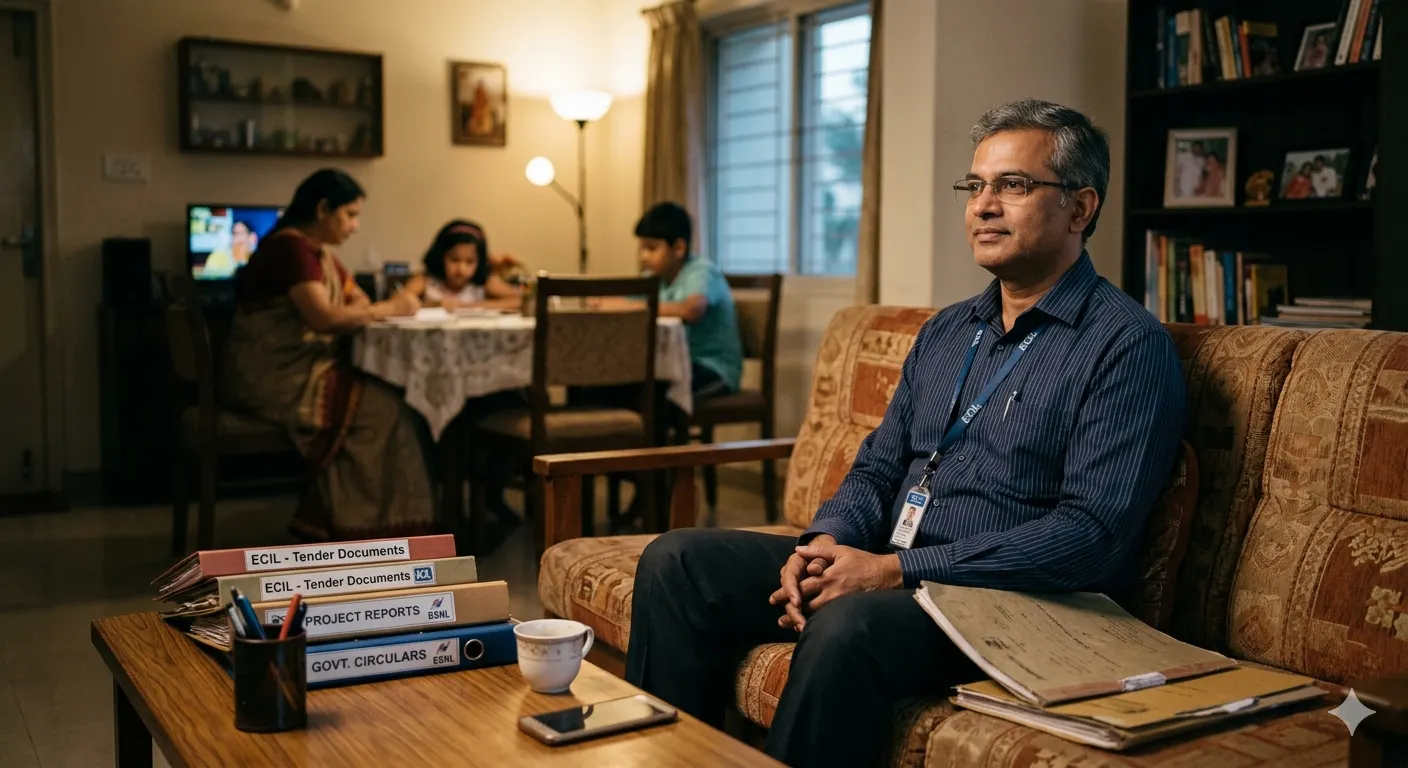
Family Interpretation.
Family members often notice subtle changes.
Conversations become shorter.
Listening becomes partial.
Weekends feel quieter.
These changes are sometimes misunderstood as disinterest or moodiness.
In reality, they often reflect mental fatigue rather than emotional withdrawal.
PSU professionals continue to care deeply for their families — but emotional energy becomes limited after long workdays.
The Hidden Emotional Cost of Stability.
Stable careers provide financial comfort.
But emotional presence requires mental energy.
Over time, structured careers may reduce spontaneous expression and emotional availability at home.
This does not happen suddenly.
It develops slowly — through years of responsibility, discipline, and careful decision-making.
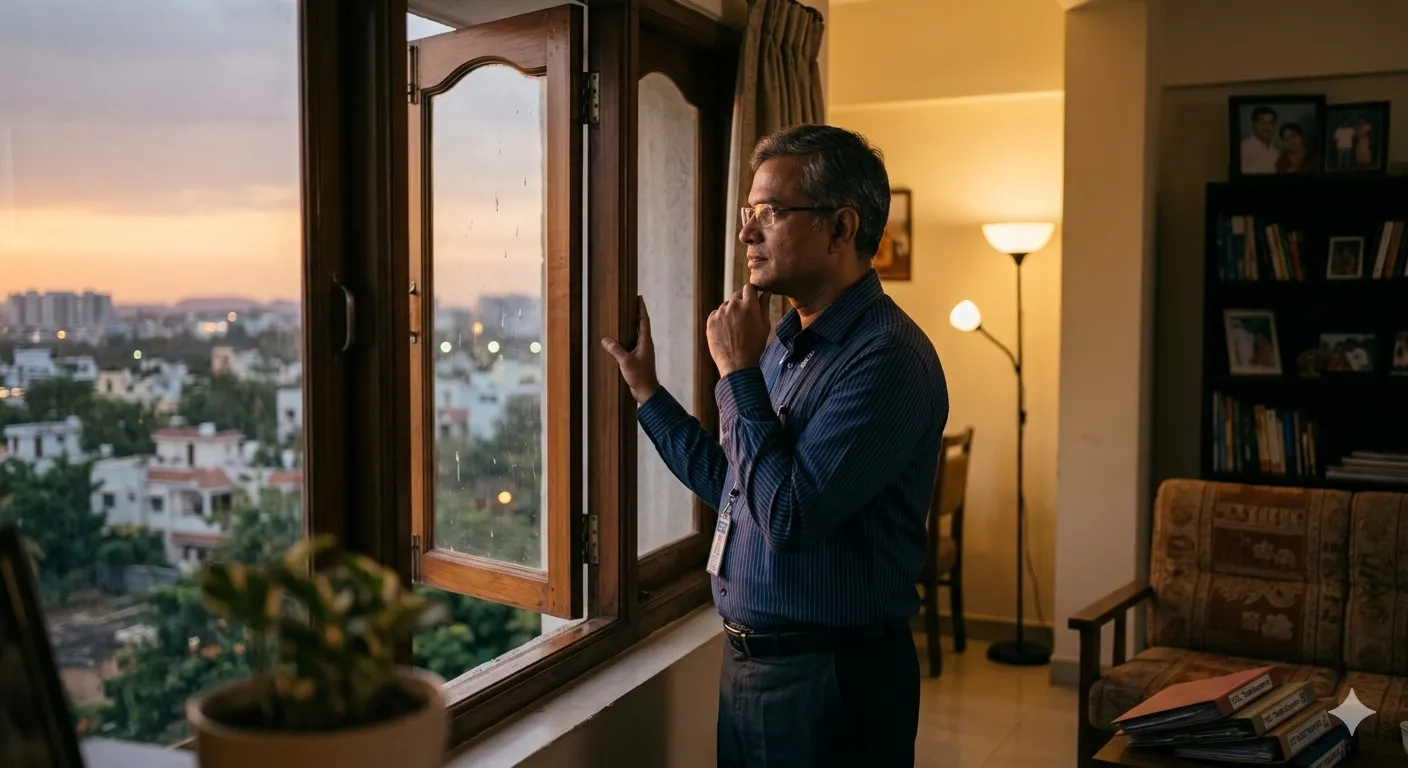
Awareness Changes Everything.
Recognizing emotional fatigue helps PSU professionals better understand themselves.
It also helps families understand the invisible demands of responsible careers.
Small changes can make a meaningful difference:
Taking quiet time after work before engaging in conversation.
Listening with full attention.
Protecting weekends for genuine rest.
These simple steps gradually restore emotional balance.
Final Reflection.
PSU careers provide stability.
But stability alone does not guarantee emotional connection.
Emotional presence requires awareness, patience, and energy.
If you have ever felt emotionally distant at home after a long day, remember:
You are not alone.
This is not weakness.
It is simply awareness beginning.
Emotional fatigue in PSU careers is often invisible, yet deeply real.
Awareness is the first step toward balance — at work and at home.
If this reflection resonated with you, share it with your PSU colleagues and stay connected with PSUPEDIA for more clarity-driven insights.
— Ramjee Meena, Founder | PSUPEDIA